

TECHNOLOGY SPOTLIGHT
Purview DLP: put the policy where the information moves
Sensitive information leaves an application through everyday actions: sharing, copying, printing or uploading. Data loss prevention needs to address those working patterns without making legitimate work impractical.
Define the information and the action
A useful policy identifies the information being protected, the people handling it and the action that creates risk. “Protect all data” is too broad to give an administrator a workable deployment plan.
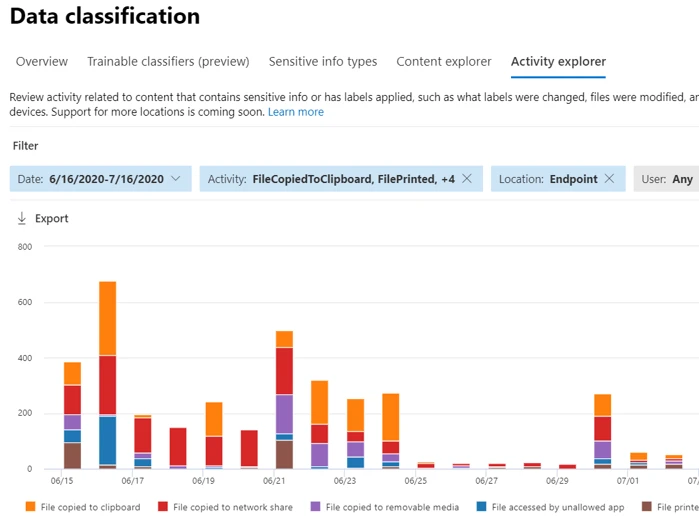
Microsoft Purview Data Loss Prevention applies policies across supported locations. Endpoint DLP extends controls to supported device activities, bringing the discussion beyond documents stored in a cloud service.
Begin with visibility
Use a controlled rollout to understand policy matches and likely exceptions before applying restrictive rules broadly. Agree who investigates alerts and how people can complete legitimate tasks when a policy intervenes.
Capabilities depend on licensing, supported platforms, device onboarding and configuration. Confirm the services and activities covered by the selected design rather than assuming every endpoint action is controlled.
Keep the policy maintainable
For a first deployment, choose a specific information type and user group. For an expansion, use evidence from the initial scope to adjust rules, exclusions and response ownership.
Fortem can supply licensing and scope information protection and endpoint requirements. Bring the data types, working processes and intended policy outcomes so the proposal covers implementation and operational handover.