

TECHNOLOGY SPOTLIGHT
PowerStore: capacity planning needs more than a headline reduction ratio
Compression and deduplication can change the economics of flash storage. The purchasing decision still needs to account for the data, performance and growth behind the estimate.
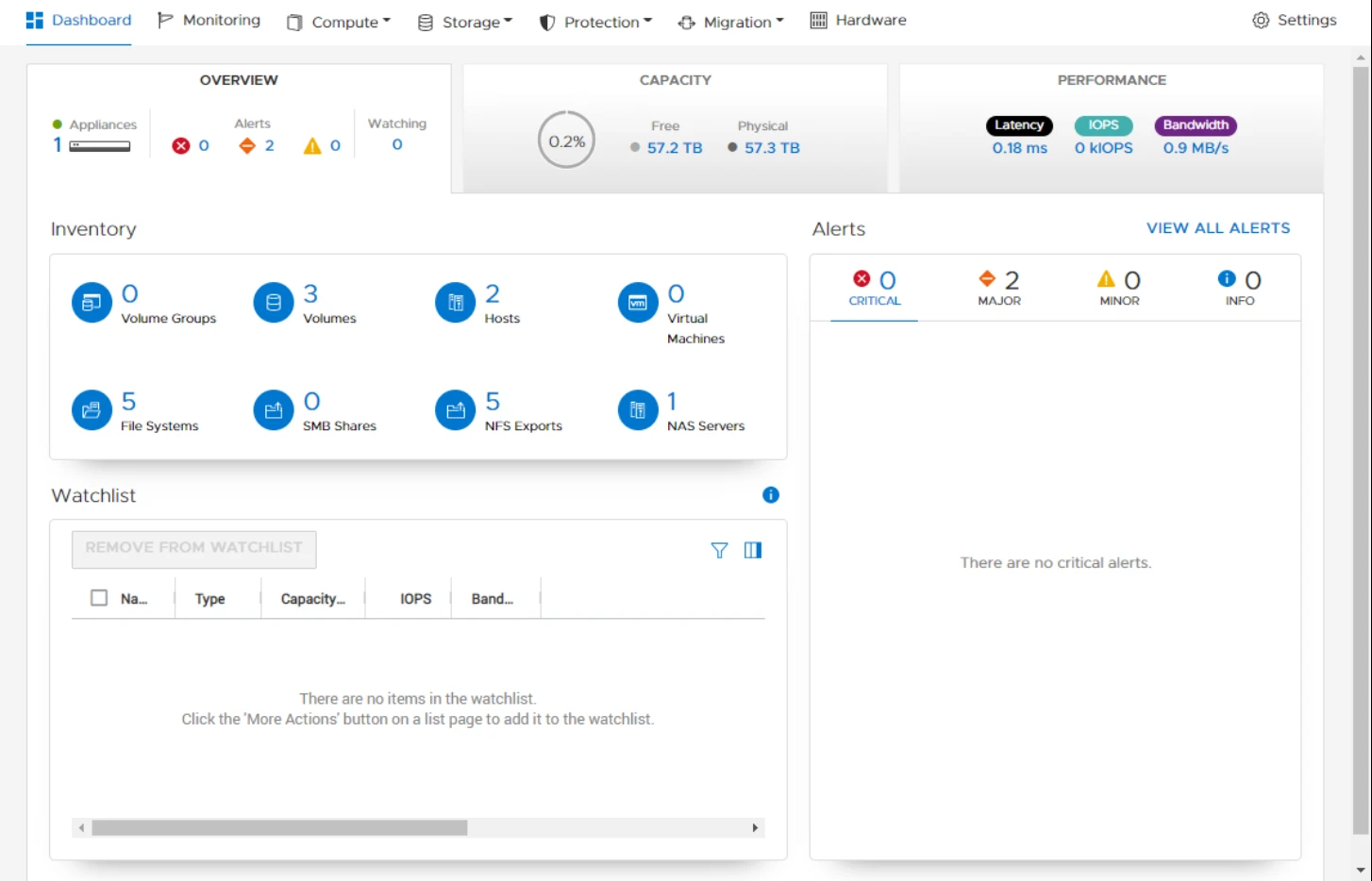
Separate logical capacity from physical demand
Storage requirements are often expressed as the capacity presented to applications. The physical space required can differ when repeated data and compressible content are reduced.
Dell PowerStore includes inline data reduction using techniques such as compression and deduplication. The benefit depends on the data mix: an estimate should distinguish reducible content from data that is already compressed or encrypted.
Protect the operational headroom
Capacity alone does not describe a storage service. Define latency, throughput, availability, connectivity and recovery requirements alongside retention and growth. Include snapshots and temporary migration copies in the sizing discussion.
For a new platform, document the assumptions behind the forecast. For a migration, use measured workload information where available and allow time for data movement, validation and rollback.
Make the proposal comparable
Ask for usable capacity, expected reduction assumptions, expansion options and support to be stated separately. If a vendor guarantee forms part of the offer, check its eligibility, conditions and remedy rather than treating a marketing ratio as a universal result.
Fortem can scope PowerStore requirements and supply a configuration with the relevant connectivity and support. A proposal should explain the workload and growth assumptions behind the capacity, not simply quote the largest available number.